
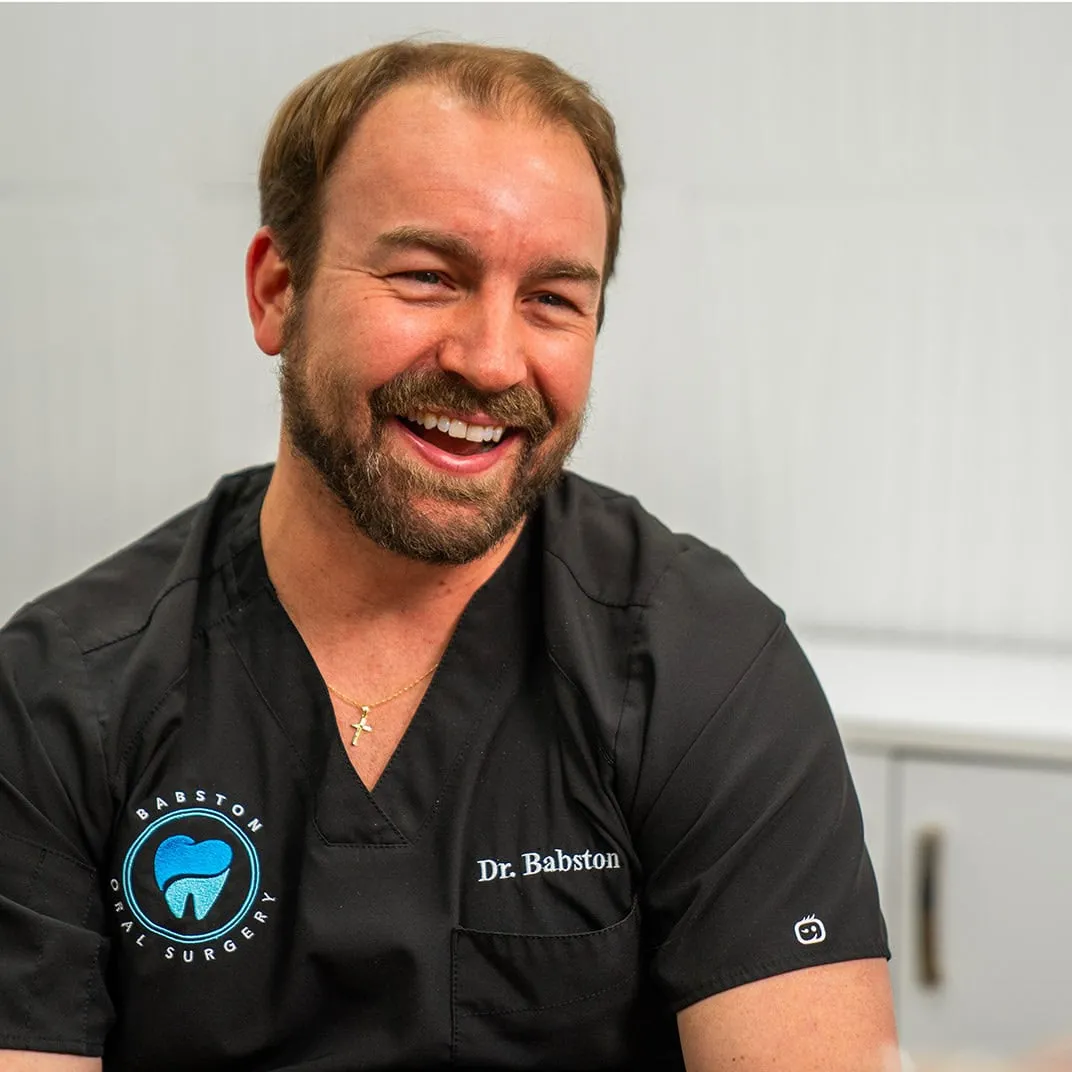
Not every dentist who offers implants has the same training or experience. That distinction matters more than most patients realize. The best implant dentist combines specialized surgical skills with hands-on attention to each patient's needs and concerns. Understanding what sets top providers apart helps you make a confident choice for your oral health, whether you need a single tooth replaced or a full-arch restoration.
What Defines the Best Implant Dentist?
The best implant dentist is a board-certified oral surgeon with four to six years of residency training, advanced 3D imaging capabilities, and proven experience placing implants in complex cases including bone grafting and full-arch restoration. That combination of credentials and clinical skill is what separates top providers from the rest.
Board-certified oral surgeons complete their residency training in hospital settings, spending thousands of hours learning to handle trauma, reconstruction, and medically compromised patients. This depth of preparation shapes how they approach every implant case.
General dentists can legally place implants after completing weekend courses or short certification programs. But this limited training doesn't compare to years of supervised surgical residency. The difference matters most when complications arise or when patients need additional procedures like bone grafting.
Board certification through the American Board of Oral and Maxillofacial Surgery (ABOMS) signals rigorous testing and ongoing education requirements beyond standard dental licensing. It's one of the clearest indicators patients can look for when choosing a provider.
How the Best Implant Dentists Approach Treatment Differently
Picture this: you sit down for a consultation, and instead of jumping straight to scheduling oral surgery, the provider pulls up a detailed 3D scan of your jaw. That's how top implant dentists operate. 3D imaging technology reveals bone density, nerve location, and sinus proximity before any incision is made. This detailed planning prevents surprises during the procedure and gives patients a clear picture of what to expect.
Every mouth is different. Your specific anatomy and goals drive the treatment plan, including factors like:
- Current bone volume and quality
- Position of neighboring teeth
- Bite alignment and force distribution
- Long-term aesthetic expectations
- Overall health conditions that might affect healing
When bone loss is present, skilled surgeons coordinate bone grafting or sinus lifts before implant placement. Placing an implant into insufficient bone just to speed up the process leads to failure down the road. Skip that gamble.
Clear communication sets exceptional providers apart. You should know exactly what to expect, from realistic timelines to detailed post-operative instructions. No question is too small. Your surgeon should take time to address every concern before you move forward.
Walking you through each phase of recovery is just as important. The best implant dentist explains what normal healing looks like, when to call the office, and how to protect the surgical site. This level of detail builds trust and reduces anxiety.
Sedation options matter too. A full-time nurse anesthetist (CRNA) on staff means access to IV sedation and general anesthesia for patients who need it. This makes even complex procedures comfortable and relaxed.
Benefits of Choosing a Highly Qualified Implant Dentist
Why does the provider you choose matter so much? Because the gap between a good outcome and a poor one often comes down to training and preparation. Here's what you gain by choosing a qualified specialist.
What Are the Long-Term Advantages?
- Higher long-term success rates. Precise surgical technique means implants integrate properly with bone and last for decades. Patients who choose experienced specialists typically avoid the revision surgeries that drive up total costs.
- Fewer complications. The risk of infection, nerve damage, or implant failure drops significantly when oral surgery is performed by a residency-trained oral surgeon. Trained hands make a measurable difference.
- Comfortable experience. Access to advanced sedation keeps you relaxed throughout the procedure, whether you need a single implant or a full-arch restoration.
How Does Experience Affect Outcomes?
Specialists handle bone loss, full-arch restoration, and challenging anatomy that general dentists may decline. Patients with complex needs don't get turned away or referred elsewhere mid-treatment.
Careful planning and placement also create better aesthetics. The final result looks and feels like a natural tooth because the surgeon accounted for gum contour, spacing, and bite alignment from the start.
Research from the American Academy of Implant Dentistry indicates that dental implants carry very high success rates when placed by qualified professionals. The key word is "qualified." Training and experience directly impact outcomes.
Choosing based on price alone often backfires. A failed implant means additional oral surgery, more time off work, and higher total costs. Getting it right the first time saves money and frustration.
Implant Dentist vs. General Dentist vs. Oral Surgeon: Key Differences
Patients often ask what type of provider they should see for implants. Here's how the three main provider types stack up:
| Provider Type | Surgical Training | Sedation Capabilities | Complex Case Experience |
|---|---|---|---|
| General Dentist | Weekend courses or short certifications | Usually limited to local anesthesia | Typically handles straightforward cases |
| Periodontist | 3-year specialty residency focused on gums | Varies by practice | Strong with gum-related implant cases |
| Oral Surgeon | 4-6 year hospital-based surgical residency | Full sedation including IV and general anesthesia | Trained for bone grafting, sinus lifts, and complex reconstruction |
General dentists provide excellent routine care. But implant oral surgery falls outside their core training. Some pursue additional education, though it rarely matches residency-level experience.
Periodontists specialize in gum health and often place implants successfully. They're a strong choice when gum disease is a primary concern. However, they may not offer the same sedation depth or bone reconstruction capabilities as oral surgeons.
Oral surgeons receive the most extensive surgical training of any dental provider. Their residencies include managing medical emergencies, administering sedation, and performing complex bone procedures. Board certification through the American Board of Oral and Maxillofacial Surgery (ABOMS) confirms this expertise through rigorous examination. This is the same credential that distinguishes top-tier implant providers across the country.
What Influences the Cost of Dental Implants, and Why Expertise Matters
Several things affect what you'll pay for dental implants. The total investment typically depends on case complexity, bone grafting needs, implant material quality, geographic location, and provider experience level.
Here are the main cost factors broken down:
- Complexity of your case, including how many teeth need replacement
- Need for preliminary procedures like bone grafting or sinus lifts
- Quality of implant materials used, since not all systems perform equally over time
- Geographic location of the practice
- Provider's training and experience level
Cheaper implant systems may not integrate as well with bone. Less experienced providers may miss complications that develop later. One successful oral surgery costs less than two attempts.
When evaluating quotes, consider the total investment, not just the initial price. A slightly higher upfront cost often means fewer follow-up procedures and better long-term results. Patients who focus only on the lowest number frequently end up paying more over time for revisions and corrections.
Many oral surgery practices offer financing or accept various insurance plans. Flexible payment options help make treatment accessible for patients who need implants but want to manage costs over time. Ask about these options during your consult so you can plan accordingly.
Who Is a Good Candidate for Dental Implants?
Most adults missing one or more teeth can benefit from implants. Ideal candidates share certain characteristics:
- Adequate jawbone density. Enough bone volume exists to anchor the implant securely. Your surgeon will assess this with 3D imaging during the initial visit.
- Healthy gums. No active periodontal disease that could compromise healing. Your dentist will evaluate gum tissue before recommending implants.
- Good overall health. You should be able to undergo minor oral surgery and heal normally.
- Non-smoker status. Smoking significantly increases failure risk, so candidates should be willing to quit before and after the procedure.
- A willingness to maintain oral hygiene. Implants need the same daily care as natural teeth.
Conditions like diabetes or osteoporosis require careful evaluation. They don't automatically disqualify you. A board-certified oral surgeon assesses individual risk factors and adjusts the treatment plan accordingly, drawing on residency training to manage medically complex patients safely.
Insufficient bone doesn't mean implants are impossible either. Bone grafting builds up the jaw before placement. This adds time to the process but makes implants possible for many patients who were previously told no.
Your daily habits matter too. Brushing, flossing, and regular dental visits protect your investment for years to come. Patients who stay consistent with aftercare see the longest-lasting results. It's a partnership between you and your provider.
Frequently Asked Questions About Choosing an Implant Dentist
What qualifications should the best implant dentist have?
Look for board certification through the American Board of Oral and Maxillofacial Surgery (ABOMS) or a related specialty. This confirms completion of rigorous residency training and ongoing education. Ask about their experience with cases similar to yours and how many implants they place each year.
Is an oral surgeon better than a general dentist for implants?
For straightforward single-tooth implants in healthy patients, a trained general dentist may produce good results. Oral surgeons offer advantages for complex cases, patients needing sedation, or situations requiring bone grafting. Their extensive surgical training prepares them for unexpected challenges during the procedure.
How do I know if I need bone grafting before implants?
3D imaging during your consult reveals bone volume and density. If there isn't enough bone to support an implant, your surgeon will recommend grafting. This is common after tooth extraction, long-term tooth loss, or periodontal disease. Grafting adds several months to your timeline while improving long-term success.
What questions should I ask during an implant consultation?
Ask about the surgeon's training, board certifications, and experience with your specific situation. Inquire about sedation options, expected timeline, and what happens if complications arise. A confident provider welcomes these questions and gives you straight answers.
How long does the dental implant process take from start to finish?
Simple cases may complete in three to six months. Complex situations requiring bone grafting can take nine months to a year. The waiting period allows bone to heal and integrate with the implant, and your surgeon will provide a realistic timeline during your initial consult.